
Early childhood education plays a vital role in shaping a child’s future. The first five years of life are a period of rapid brain development, making them one of the most important stages for learning, growth, and emotional wellbeing. During these early years, children develop the language, social, cognitive, and physical skills that become the foundation for lifelong success.
For first-time parents, choosing the right early learning childcare program can feel overwhelming. Every parent wants their child to feel safe, happy, and inspired to learn. A high-quality early learning environment provides much more than supervision it nurtures curiosity, encourages independence, and helps children develop confidence through meaningful experiences.
At Canada Early Years Childcare, we believe every child deserves the opportunity to grow in a supportive, engaging, and caring environment. Through quality preschool programs and play-based learning experiences, children gain the skills they need to succeed both in school and throughout life.
What Is Early Childhood Education?
Early childhood education refers to structured learning experiences that support children from infancy through the preschool years. These programs focus on developing the whole child by encouraging emotional, social, language, cognitive, and physical growth.
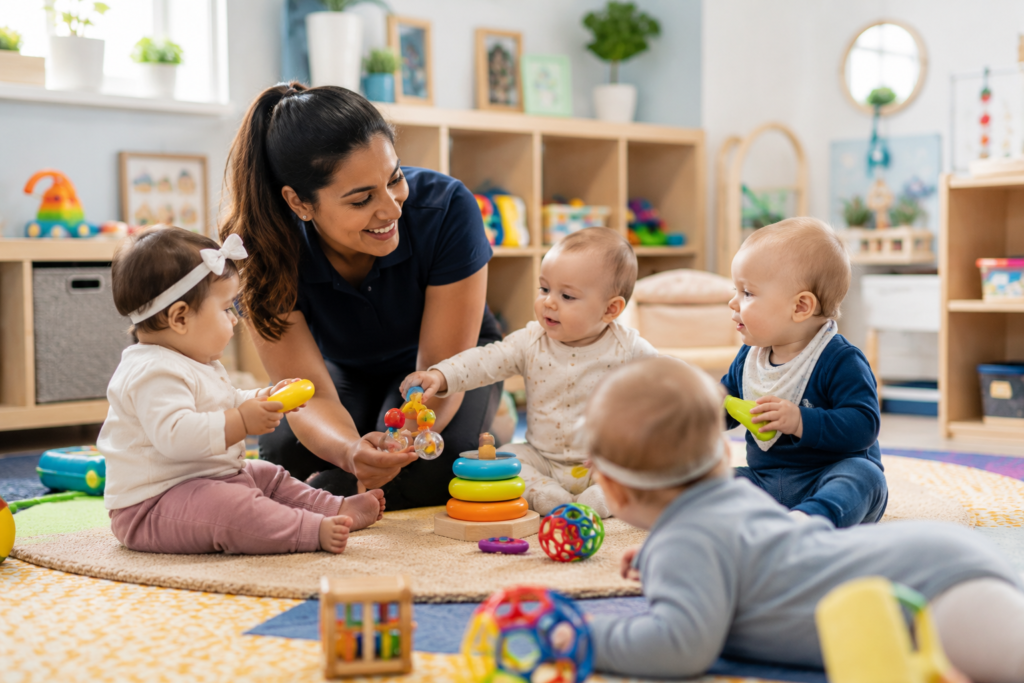
Rather than emphasizing formal academics alone, quality early learning childcare uses play, exploration, creativity, and positive relationships to help children discover the world around them.
Children learn through:
- Interactive play
- Storytelling and reading
- Music and movement
- Creative arts
- Outdoor exploration
- Group activities
- Hands-on problem solving
Each experience helps build essential life skills while making learning enjoyable.
Why the Early Years Matter
Research consistently shows that children’s brains develop rapidly during the first five years of life. During this time, positive experiences strengthen brain connections that support future learning and healthy development.
High-quality early childhood education helps children develop:
- Strong communication skills
- Emotional confidence
- Social awareness
- Curiosity and creativity
- Problem-solving abilities
- Independence
- Self-regulation
These skills provide the building blocks for academic achievement and lifelong success.
Parents who invest in quality preschool programs are supporting their child’s development during one of the most influential periods of life.
The Long-Term Benefits of Early Childhood Education
Children who participate in quality early childhood education often experience positive outcomes that continue well beyond preschool.
Some of these long-term benefits include:
Better School Readiness
Children become familiar with routines, listening skills, classroom expectations, and group learning environments before entering kindergarten.
Stronger Language Development
Daily conversations, reading, storytelling, and music help expand vocabulary and improve communication skills.
Improved Social Skills
Children learn how to cooperate, share, solve conflicts, and build friendships through guided interactions with peers.
Greater Emotional Confidence
Supportive educators help children recognize emotions, build resilience, and develop healthy self-esteem.
Better Problem-Solving Skills
Hands-on learning encourages curiosity, critical thinking, and creative exploration.
These early experiences help children approach future learning with confidence and enthusiasm.
How Early Learning Childcare Supports Whole-Child Development
Quality early learning childcare programs focus on every area of development instead of concentrating on academic learning alone.
Cognitive Development
Children strengthen memory, attention, reasoning, and early math concepts through games, puzzles, and exploration.
Activities may include:
- Building blocks
- Matching games
- Nature exploration
- Simple science activities
- Counting games
These experiences encourage curiosity while developing critical thinking skills.
Language and Communication
Children develop language skills by listening, speaking, reading, and singing throughout the day.
Educators encourage communication through:
- Storytime
- Songs and rhymes
- Group discussions
- Picture books
- Daily conversations
Strong language skills help children express themselves confidently and prepare for reading success.
Social and Emotional Development
One of the greatest strengths of early childhood education is helping children build healthy relationships.
Children learn how to:
- Share with others
- Cooperate during activities
- Express emotions appropriately
- Show empathy
- Build friendships
- Develop confidence
These skills are just as important as academic learning.
Physical Development
Movement plays an essential role in early childhood.
Daily physical activities support:
- Balance
- Coordination
- Fine motor skills
- Gross motor development
- Healthy habits
Outdoor play also encourages exploration, creativity, and physical wellbeing.
The Role of Play in Early Childhood Education
Play is one of the most effective ways young children learn.
Rather than simply entertaining children, play-based learning encourages exploration, experimentation, and discovery.
Quality preschool programs include opportunities for:
Creative Play
Art, music, and pretend play encourage imagination while developing communication and fine motor skills.
Sensory Activities
Water, sand, textures, and natural materials stimulate curiosity and strengthen brain development.
Outdoor Learning
Nature-based activities help children build confidence while encouraging physical movement and problem-solving.
Group Activities
Working together teaches teamwork, patience, and cooperation.
Through play, children naturally develop skills that support future academic achievement.
Research Highlights the Importance of Early Learning
Decades of research support the value of investing in quality early childhood education.
The following table summarizes commonly recognized long-term benefits.
| Development Area | Benefit of Quality Early Learning |
|---|---|
| Language | Stronger vocabulary and communication |
| Social Skills | Better cooperation and friendships |
| Emotional Growth | Higher confidence and resilience |
| Cognitive Skills | Improved memory and problem-solving |
| School Readiness | Easier transition into kindergarten |
| Physical Development | Better coordination and healthy habits |
While every child develops at their own pace, consistent participation in quality early learning childcare programs provides valuable opportunities for growth across all developmental areas.
What Parents Should Look for in a Preschool Program
Choosing the right childcare provider is one of the most important decisions families make.
Look for a program that offers:
- Qualified and caring educators
- Licensed childcare facilities
- Safe learning environments
- Age-appropriate activities
- Play-based learning
- Strong communication with families
- Inclusive classrooms
- Balanced daily routines
These qualities help create an environment where children feel secure, supported, and excited to learn.
Choosing the Right Early Learning Childcare Program
Selecting the right early learning childcare program is an important step in supporting your child’s development. Every childcare centre is unique, so taking the time to compare programs can help you find the best fit for your family.
When visiting a childcare centre, pay attention to the learning environment, educator interactions, and daily routines. A welcoming atmosphere where children are actively engaged is often a strong indicator of quality care.
Consider asking the following questions during your visit:
- Is the childcare centre licensed and compliant with local regulations?
- What qualifications and experience do the educators have?
- What is the child-to-educator ratio?
- How does the centre support early childhood education?
- What types of play-based learning activities are offered?
- How are parents kept informed about their child’s progress?
- What health and safety practices are followed?
- How does the centre encourage social and emotional development?
The answers to these questions will help you understand whether the program aligns with your family’s values and your child’s individual needs.
Signs of a High-Quality Preschool Program
A quality preschool program provides much more than classroom activities. It creates a positive learning environment where children feel respected, encouraged, and supported every day.
Some key characteristics include:
Qualified Educators
Experienced educators understand child development and use age-appropriate teaching strategies that inspire curiosity and confidence.
Play-Based Learning
Children learn naturally through play, exploration, creativity, and meaningful interactions with others.
Safe and Stimulating Environment
Bright, clean, and well-organized classrooms encourage children to explore while supporting their physical safety.
Individualized Learning
Every child develops at their own pace. High-quality programs recognize each child’s strengths and provide opportunities for personalized growth.
Strong Parent Partnerships
Open communication between educators and families helps create consistency between home and childcare, benefiting children’s overall development.
Common Myths About Early Childhood Education
Many first-time parents have questions about early childhood education. Understanding the facts can make choosing a childcare program easier.
Myth 1: Learning Starts in Kindergarten
Fact: Learning begins at birth. Every interaction, conversation, and play experience contributes to brain development and lifelong learning.
Myth 2: Preschool Is Only About Academics
Fact: Quality preschool programs focus on the whole child by supporting emotional, social, physical, language, and cognitive development.
Myth 3: Play Is Not Real Learning
Fact: Play is one of the most effective ways young children develop creativity, communication, confidence, and problem-solving skills.
Myth 4: Every Child Learns the Same Way
Fact: Each child has unique interests, strengths, and learning styles. Quality early learning childcare programs adapt activities to meet individual needs.
Practical Tips for First-Time Parents
Starting childcare is an exciting milestone for both parents and children. These simple tips can help make the transition smoother.
Visit the Centre Together
Allow your child to explore the environment and meet the educators before their first day.
Create a Consistent Routine
Regular sleep, meal, and drop-off schedules help children adjust more comfortably.
Encourage Independence
Simple tasks such as putting away toys or washing hands help build confidence and self-help skills.
Communicate with Educators
Share important information about your child’s interests, routines, and preferences so educators can provide personalized support.
Be Patient
Every child adjusts differently. Some children settle quickly, while others need additional time and reassurance.
Why Families Choose Canada Early Years Childcare
At Canada Early Years Childcare, we are committed to creating meaningful learning experiences that help every child reach their full potential.
Families choose us because we provide:
- Licensed and professionally managed childcare programs
- Qualified, caring, and experienced educators
- Safe, welcoming, and inclusive learning environments
- High-quality early learning childcare experiences
- Engaging preschool programs that encourage curiosity
- Play-based activities that support whole-child development
- Strong communication with parents
- Individualized learning opportunities for every child
Our goal is to build confidence, independence, creativity, and a lifelong love of learning in every child we care for.
How Early Childhood Education Benefits Families
The benefits of early childhood education extend beyond children. Families also gain valuable support through quality childcare services.
Parents often experience:
| Benefit | Positive Impact |
|---|---|
| Peace of Mind | Confidence knowing children are in a safe, nurturing environment |
| Better Work-Life Balance | Reliable childcare supports family routines and careers |
| Improved Communication | Regular updates keep parents involved in their child’s progress |
| School Readiness | Children develop skills that ease the transition to kindergarten |
| Lifelong Learning Habits | Curiosity and confidence continue beyond the early years |
When families and educators work together, children receive consistent encouragement that supports their overall growth and wellbeing.
Final Thoughts
Choosing quality early childhood education is one of the greatest investments parents can make in their child’s future. The early years provide the foundation for lifelong learning, healthy relationships, confidence, and resilience.
A nurturing environment, experienced educators, and engaging early learning childcare experiences help children develop the skills they need to succeed in school and beyond. Through play, exploration, creativity, and supportive relationships, children become curious learners who are eager to discover the world around them.
At CEY Childcare, we are passionate about helping children build strong foundations for future success. Our dedicated team creates safe, inclusive, and engaging preschool programs that encourage every child to learn, grow, and thrive at their own pace.
By choosing a trusted childcare provider that values quality early childhood education, you are giving your child the best possible start on the journey toward lifelong learning and success.
Frequently Asked Questions
1. Why is early childhood education important?
Early childhood education supports brain development, communication, social skills, emotional wellbeing, and school readiness during the most important years of a child’s life.
2. What are the benefits of early learning childcare?
Early learning childcare helps children develop confidence, independence, language skills, creativity, and healthy social relationships while preparing them for future learning.
3. What should parents look for in preschool programs?
Choose preschool programs with qualified educators, licensed facilities, play-based learning, safe environments, age-appropriate activities, and strong communication with families.
4. How does play support learning?
Play encourages children to develop problem-solving skills, creativity, communication, teamwork, and emotional resilience while making learning enjoyable and meaningful.
5. Why choose Canada Early Years Childcare?
Canada Early Years Childcare provides high-quality early childhood education through experienced educators, engaging early learning childcare experiences, and nurturing preschool programs designed to help every child grow with confidence and curiosity.